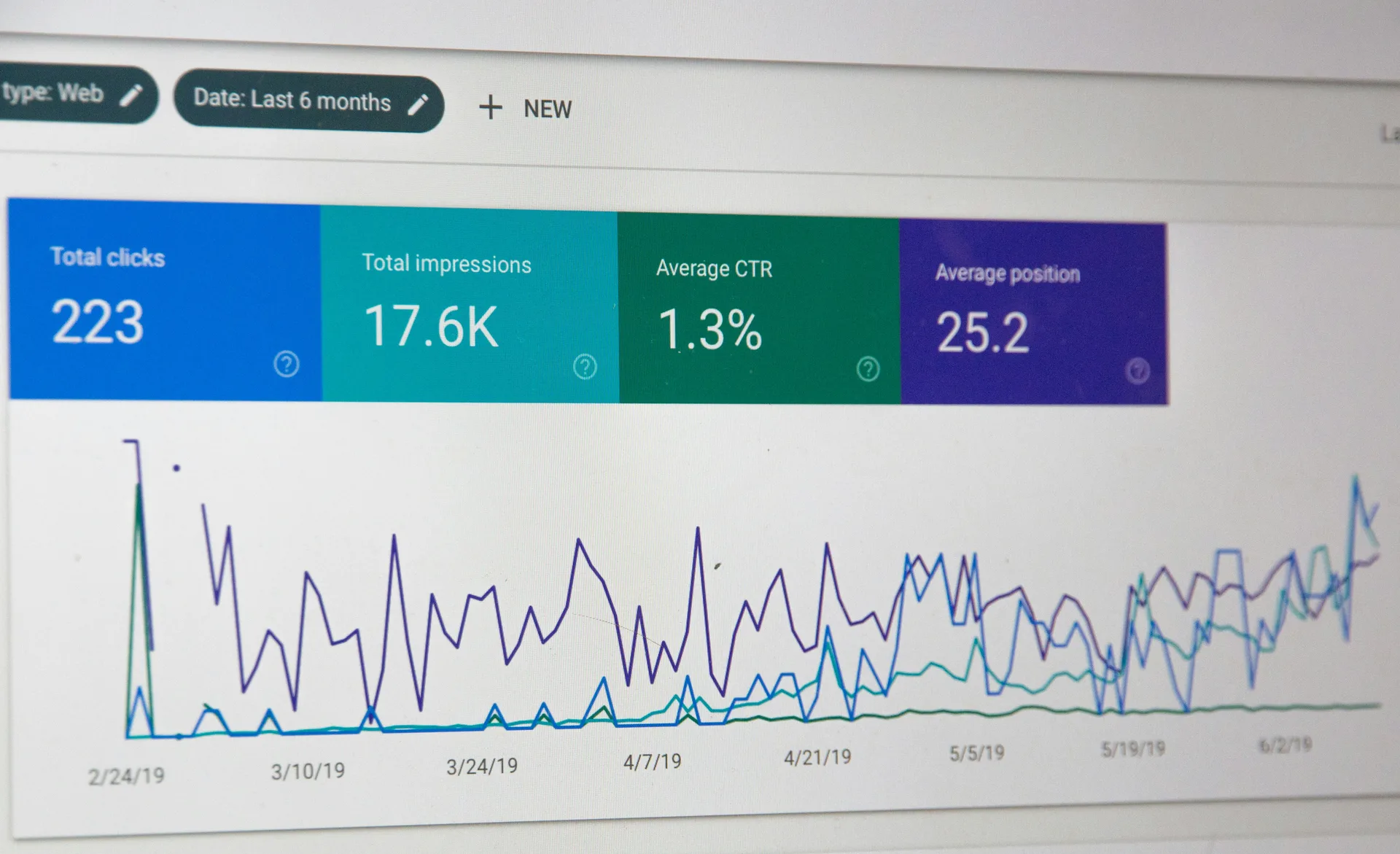
You know the drill. Pick a theme. Spend three hours adjusting padding. Install an SEO plugin. Stare at a dashboard full of red warnings about "canonical tags" and "meta descriptions." Wonder if you need a computer science degree just to get your bakery to show up on Google.
I've watched hundreds of business owners get stuck in this loop. They launch a site that looks decent, then realize nobody can find it. So they install another plugin. Then another. Pretty soon, their site is slower than their old dial-up connection, and they're spending weekends trying to figure out why their homepage isn't indexing.
Here's what nobody tells you: SEO isn't supposed to be a separate project. It's not something you bolt on after the site is "done." The best-performing sites have optimization baked into their foundation—and that's exactly what modern AI website builders do differently.
Why Traditional Builders Create "Plugin Fatigue"
Most website platforms hand you a blank canvas and say, "Good luck." Want SEO? Install a plugin. Want speed optimization? Different plugin. Want schema markup? You guessed it—another plugin.
The problem isn't the plugins themselves. It's that they turn you into the developer. You're the one manually filling out meta descriptions for every page. You're the one checking if your H1 tags are "optimized." You're the one troubleshooting why two plugins are fighting over your sitemap.
A client once told me she spent an entire Saturday trying to fix a "duplicate content" warning that turned out to be a plugin misconfiguration. She sells handmade jewelry. She should've been at a craft fair, not Googling "canonical URL syntax."
This is why the future isn't about more plugins—it's about AI website builders that understand SEO as a native language, not a second-class add-on.
What "Conversational Building" Actually Means
Imagine explaining your business to a smart consultant who actually listens. You tell them you're opening a boutique bakery in Austin. They don't just nod and hand you a generic template—they ask about your signature items, your ideal customer, and what makes you different from the grocery store bakery down the street.
That's how SiteBotStudio works. You chat with an AI that understands search intent, not just keywords. It doesn't stuff "Austin bakery" into your homepage seventeen times. Instead, it structures your site the way people actually search.
Real example: When you mention "custom wedding cakes," the AI doesn't just add a page. It creates a logical hierarchy—a services overview that links to specialty pages, each with location-specific content that Google can actually parse. Your contact info gets formatted for Google Maps. Your menu gets structured data markup. All of this happens while you're describing your business in plain English.
No dropdown menus. No "SEO settings" panel. Just a conversation that results in SEO without plugins—because the intelligence is built into the foundation.
How Automated SEO Tools Actually Work (The Honest Version)
Let's be clear: most "AI SEO" tools are just keyword suggestion boxes with a chatbot wrapper. They'll tell you to "add more keywords" or "write longer content," which is about as helpful as telling someone to "try harder."
Real automated SEO tools work at the architecture level. Here's what that actually looks like:
- Semantic HTML that search engines can read: The AI assigns header tags (H1, H2, H3) based on content hierarchy, not aesthetics. When Google crawls your page, it immediately understands what's important. You never touch a "heading level" dropdown.
- Meta descriptions that people actually click: Instead of leaving that field blank (or worse, letting Google auto-generate something random), the AI writes descriptions based on what drives clicks in your industry. For that Austin bakery? "Custom wedding cakes and French pastries made fresh daily in South Austin" beats "Welcome to our bakery website" every time.
- Clean code that loads fast: Every plugin you install adds weight. SiteBotStudio eliminates third-party SEO plugins entirely, which means your site loads faster. Since Google's Core Web Vitals update, page speed directly impacts rankings. A site that loads in 1.2 seconds will outrank an identical site that takes 4 seconds—even if the slower one has "better SEO plugins."
- Algorithm updates you never have to think about: Google changes its algorithm thousands of times per year. Most site owners find out about major updates when their traffic tanks. SiteBotStudio's AI is continuously updated to reflect current best practices, so your site structure evolves without you lifting a finger.
The Real Cost of "DIY SEO"
Here's what nobody talks about: the opportunity cost. Every hour you spend debugging a plugin conflict is an hour you're not spending on product development, customer relationships, or actual business strategy.
I've seen talented entrepreneurs burn out trying to become amateur web developers. They're great at what they do—whether that's baking, consulting, or selling handmade furniture—but they're stuck watching YouTube tutorials about XML sitemaps instead of doing the work that actually grows their business.
When your website's technical foundation is handled automatically, you get to be the expert in your field again. You provide the vision and the value. The AI provides the visibility. Your website stops being a source of stress and becomes what it should be: a 24/7 salesperson that never takes a day off.
Ready to stop wrestling and start ranking?
See how an AI-powered website handles SEO automatically—no plugins, no PhD required.
Start Your Free TrialThe Bottom Line
For too long, the barrier between a great business and a successful online presence has been technical complexity. The "gatekeepers" were the people who knew which plugins to install, which tags to tweak, and how to decode cryptic error messages.
That barrier is coming down. You don't need to be a "tech person" to outrank your competitors anymore. You just need a tool that treats SEO as a foundation, not an afterthought.
Whether you're launching your first site or migrating from a clunky 2015-era WordPress install, the goal is the same: get found by the people who need what you're offering. Let the AI handle the technical heavy lifting. You've got more important things to do.